
Low income neighborhoods sometimes have problems with being food deserts. Meaning, grocery stores are not nearby, and maybe the only place to get a hot meal is a McDonalds, KFC, Taco Bell, or White Castle. Many families are working a lot of hours to stay afloat, leading to convenience options like fast food to be a big source of their meals. The lack of nutrition and healthy options leads to health problems down the road, which puts these low income families in debt, perpetuating the cycle of poverty. Yet we hear that those who live in these low income neighborhoods are lazy and won’t cook for themselves, when the reality is that their access to healthy foods and time to prepare said foods is limited.
Something similar happens with fast fashion. So you are someone who doesn’t have much money- part of the 99%. You buy clothes because all of us do (the volume of clothing is a whole topic, but let’s leave that for another day.). Your options are limited, as you can’t afford sustainable brands because they are a niche, and niche brands have higher prices. You go down to Zara, Walmart, or you go online and buy clothes from Shein or Amazon. Many, many people buy from these brands.
Although buying fast fashion isn’t going to lead to your health declining, it does lead to more consumption, leading to more money being spent. Money that the 99% does not have. The clothes that are being bought from fast fashion retailers are not well made. You wear a shirt a few times before it shrinks too much in the wash, or you walk through your shoes in the matter of a month, or a seam comes undone, or an inexplicable hole appears in the thighs of your jeans. You have to replace the items, so you go back and spend more money. It’s a cycle of consumption and spending that the poorest among us cannot escape.
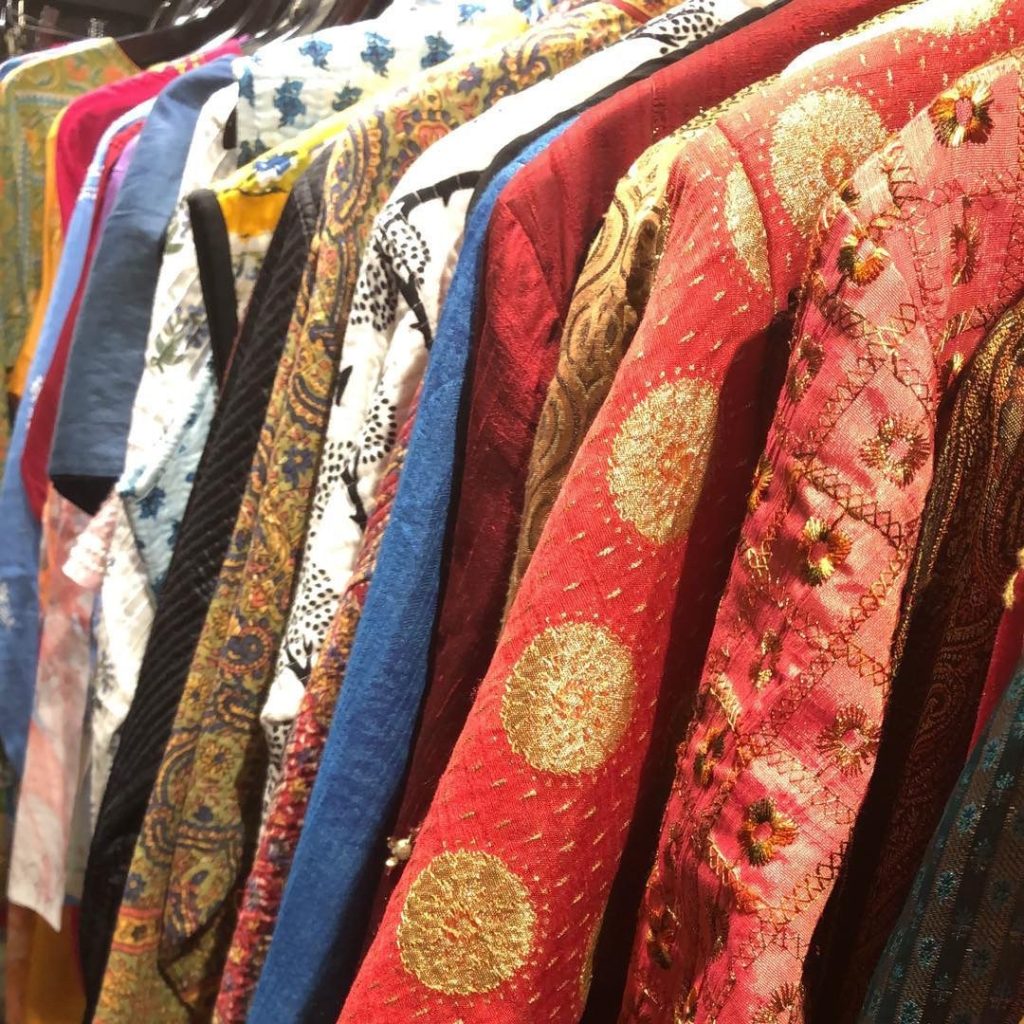
There’s the option of thrifting, which is a much better option from a sustainability standpoint, but there are many limitations to this.
First, there are communities where thrift stores do not exist or are too far to be an option for someone without a mode of transportation. This also plays heavily into what is available in a thrift store. Smaller communities have less to go around than a big city. Who in rural America makes a dedicated drive to a thrift shop miles away in order to find a new pair of jeans? It’s delusional that the general public will go so far out of their way to buy something that is easily available at a big box store.
Second, with the sheer amount of fast fashion that ends up in thrift stores, there still is the prevailing problem of items falling apart and spending money more often because of it. Again, we will talk about the consumption issue in another post, but this really lends to this problem. How many times have you been to a thrift store an it seems as though an entire rack is Zara and Target clothing? For me, pretty often. Finding anything that does not have that dreaded cream or black Zara tag can be difficult sometimes. If we want something that is quality made, we have to really sort through the racks.
Third, there seems to be a pricing problem that has come up in the past several years with thrift shops. They aren’t all that affordable anymore. True savings can be difficult to come by depending on the store, which hurts the most vulnerable communities. This is most likely thanks to the rising popularity of thrifting and flipping clothing. Online platforms where you can buy secondhand clothing like Poshmark or Depop is notorious for this- very hit or miss with pricing.
Fourth, thrifting is hit or miss. If you are looking for business wear or a plus size, there are instances you may come up dry from a thrifting day. Any specific needs a person may have could prove to be difficult to find. When you can find exactly what you need online or at a big box retailer… there is little reason to spend a lot of time sifting through racks of clothing. Especially when time is an asset many low-income people do not have.
The shame that exists online towards those who do buy fast fashion is real. If you do not buy sustainable or thrift all of your clothes, you are a bad person. This is a horrifying stance that leads to the demonization of the poor. Which we see constantly in society.
I could see this rhetoric being valid for people who are well off- rich people who can afford the luxury of sustainable, slow fashion. But how often do we see many people calling out celebrities for their collaborations with fast fashion brands, or posting a picture of them posing in a luxury brand? Not often enough is the answer here. Yet it’s up to those who are paid the lowest to change the entire world? It’s ridiculous.
The Kardashians of the world could create a slew of attention for slow fashion or thrifting if they wanted to. They could turn their clothing brands around to be sustainable- they have the money and resources to do so- but they don’t. They continue to value money over other people and our planet. Jeff Bezos could make Amazon not a plane of hell to work in, but he doesn’t.
So yes, it’s the 1% of the world who should bare the responsibility of turning the garment industry from fast fashion to slow fashion. After all, they own the companies. They own the companies that push for their low-income consumers to “recycle” their old clothes at their stores. Because they want the public to think it’s on the individual to fix this huge problem in the industry, so the millionaires can continue to make millions off the backs of brown people overseas and at the expense of our planet.
To wrap these several ideas into a tight little bow, let me break down what needs to happen here:
- The shame towards low-mid income people who buy fast fashion needs to end. Take that energy and apply it to the rich and the companies creating the problems. Redirect that anger and standard to who will really affect change.
- Thrifting needs to be affordable, carry quality clothing, and be accessible to many body types, communities and needs.
- Sustainable fashion looks different to different communities and families. All we can ask is that people buy what they need, and try to make it last.
- Fast fashion brands need to shift towards ethical standards now. These brands have the ability to shift their practices, but they won’t. We need people who have ethics to join the fray and take apart the fast fashion industry bit by bit, trend by trend. Someone needs to take over Zara and flip it on it’s head.
- Fashion brands need to make quality clothing that is not going to fall apart the second you whisper “Tumble Dry” at it.
- Slow fashion brands need to learn to navigate the barriers of accessibility by using secondhand materials to drive down cost and avoid niche pricing.
- Rich influencers should be influencing brands to be sustainable, and be buying only sustainable brands. That’s the least they could do for society.
All of this to say, you cannot fault people who do not have access to sustainable fashion for the problems we are facing as a planet. One group of people cannot undo the damage that a multi-billion dollar company is doing on the daily basis. The only thing we normies can do is limit our consumption and stop clogging thrift stores with literal shit. The fashion industry is to blame for their practices- their choices- that take advantage of others and our planet. Poor people are not the issue, and it is time for us to stop framing sustainability as solely an individual responsibility.
Because it is not. It never was.
 Abigail Leigh Klitzing
This is very well said. I especially like the idea of influencers becoming mindful of the products they are influencing the public to want. Influencers are people that the public in general can have an impact on, well, influencing, to support brands that are less harmful to the world.